Product
Wear-Resistant Tooling for Precision Manufacturing
In the demanding landscape of integrated mechanical and electronics contract manufacturing, the longevity and reliability of tooling are paramount. Four Points Platinum specializes in the design, fabrication, and deployment of wear-resistant tooling solutions engineered to withstand abrasive materials, high-cycle operations, and extreme conditions. Our commitment to precision and durability ensures that your production lines maintain optimal uptime, consistent part quality, and reduced total cost of ownership.
For operations managers, plant managers, procurement teams, and technical buyers, the choice of tooling directly impacts operational efficiency and profitability. Standard tooling often succumbs to wear prematurely, leading to frequent replacements, increased downtime, and inconsistent product output. Our specialized wear-resistant tooling addresses these challenges head-on, providing a robust solution for continuous, high-volume production environments.
The Critical Need for Wear-Resistant Tooling
Manufacturing processes, particularly those involving CNC machining, sheet metal fabrication, and assembly, exert significant stress on tooling. Materials like hardened steels, composites, and abrasive plastics can rapidly degrade conventional tools. This degradation manifests as:
- Reduced Part Quality: Worn tools produce parts that fall outside specified tolerances, leading to scrap, rework, and potential product failures.
- Increased Downtime: Tool changes are a significant source of production interruption. Frequent changes directly impact throughput and delivery schedules.
- Higher Operational Costs: Beyond the cost of replacement tools, there are expenses associated with labor for tool changes, machine recalibration, and waste material.
- Inconsistent Performance: As tools wear, their performance degrades, making it difficult to maintain consistent process parameters and product characteristics.
Four Points Platinum's wear-resistant tooling is designed to mitigate these issues, offering a strategic advantage in maintaining competitive production capabilities.
Our Approach to Specialized Wear-Resistant Tooling
We leverage our extensive expertise in both mechanical and electronics manufacturing to develop tooling that meets the exact demands of your application. Our process involves a comprehensive understanding of the material being processed, the operational environment, and the required output specifications.
Material Selection for Enhanced Durability
The foundation of effective wear-resistant tooling lies in the selection of superior materials. We utilize a range of advanced materials, each chosen for its specific properties:
- High-Speed Steels (HSS) with Advanced Coatings: For applications requiring a balance of toughness and hardness, HSS tools can be further enhanced with coatings like TiN (Titanium Nitride), TiCN (Titanium Carbonitride), or AlTiN (Aluminum Titanium Nitride). These coatings significantly reduce friction and increase surface hardness, extending tool life in demanding cutting and forming operations.
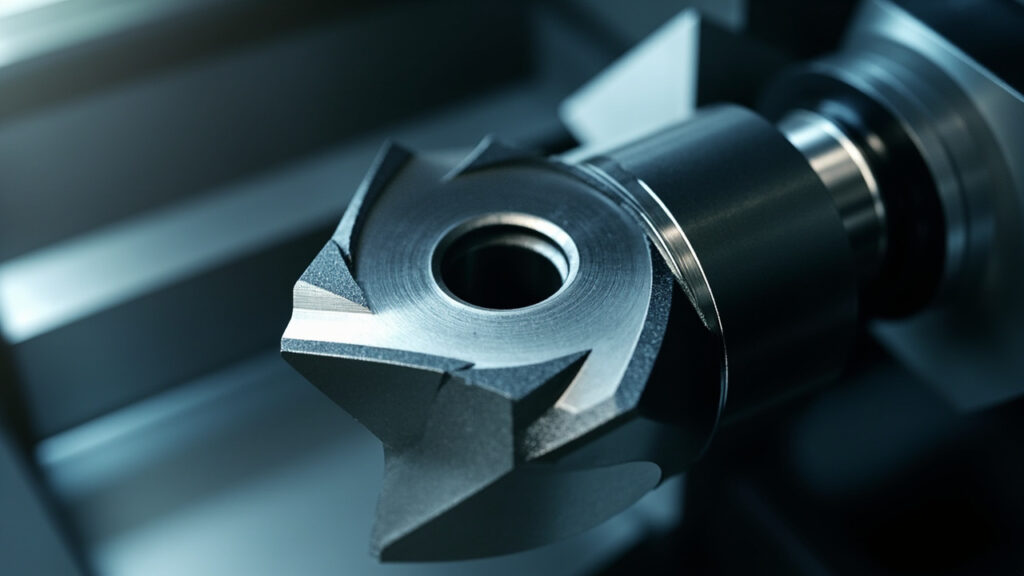
- Carbides (Tungsten Carbide): Known for their exceptional hardness and resistance to abrasion, carbides are ideal for machining hard materials and for applications where tool deflection must be minimized. Various grades of carbide are selected based on the specific wear mechanisms anticipated (e.g., abrasive wear, adhesive wear).
- Ceramics: For extreme temperature and abrasive environments, ceramic tooling offers superior hardness and chemical stability. These are often employed in specialized cutting or forming tasks where metallic tools would rapidly degrade.
- Polycrystalline Diamond (PCD): For machining non-ferrous materials, composites, and highly abrasive plastics, PCD tools offer unparalleled wear resistance and edge retention, leading to superior surface finishes and extended tool life.
Precision Manufacturing and Design
Our wear-resistant tooling is manufactured using state-of-the-art CNC machining and multi-axis milling capabilities. This ensures that every tool is produced to exacting specifications, maintaining tight tolerances critical for consistent performance.
- Optimized Geometries: Tool geometry plays a crucial role in wear resistance. We design tools with optimized rake angles, clearance angles, and chip evacuation features to minimize cutting forces, reduce heat generation, and prevent material buildup, all of which contribute to premature wear.
- Surface Finishes: Superior surface finishes on tooling reduce friction and adhesion, further enhancing wear resistance and improving the quality of the manufactured part.
- Integrated Design for Manufacturability (DFM): Our DFM advisory services extend to tooling design. We work with your engineering teams to optimize part designs for manufacturability, which in turn informs the most effective and durable tooling solutions.
Applications of Wear-Resistant Tooling
Our specialized tooling finds application across a broad spectrum of manufacturing processes:
- CNC Machining: End mills, drills, reamers, and inserts designed for extended life when cutting hardened steels, aerospace alloys, and abrasive composites.
- Precision Sheet Metal Fabrication: Punches, dies, and forming tools engineered to resist wear during high-volume stamping, bending, and piercing operations.
- PCB Assembly & SMT: Custom fixtures, pick-and-place nozzles, and solder paste stencils designed for durability and precision in high-throughput electronics manufacturing.
- Box-Build Assembly: Assembly jigs, fixtures, and specialized fastening tools that maintain accuracy and withstand repetitive use.
- Molding and Forming: Inserts and components for injection molds, compression molds, and other forming processes where material flow and abrasion are significant concerns.
Benefits for Your Operations
Implementing Four Points Platinum's wear-resistant tooling translates directly into tangible operational advantages:
- Extended Tool Life: Significantly reduces the frequency of tool changes, leading to substantial gains in machine uptime.
- Consistent Part Quality: Maintains tight tolerances and superior surface finishes over longer production runs, minimizing scrap and rework.
- Reduced Total Cost of Ownership (TCO): While the initial investment in specialized tooling may be higher, the extended lifespan, reduced downtime, and improved product quality result in a lower overall cost per part.
- Enhanced Production Continuity: Greater tool reliability contributes to more predictable production schedules and improved on-time delivery rates.
- Improved Safety: Less frequent tool handling reduces operator exposure to potential hazards associated with tool changes.
- Compatibility: Our tooling solutions are designed to integrate seamlessly with existing manufacturing equipment and processes, minimizing implementation complexities.
Lead-Time Considerations and Inventory Programs
Understanding the critical nature of tooling availability, Four Points Platinum works closely with clients to manage lead times effectively. For highly specialized or custom tooling, lead times are influenced by material availability, design complexity, and manufacturing queue. We provide transparent communication throughout the process.
For ongoing production needs, we offer blanket-order inventory programs. This allows OEMs and hardware companies to secure a continuous supply of critical wear-resistant tooling, ensuring production continuity and mitigating supply-chain risks. By forecasting your tooling needs, we can maintain stock or prioritize production to meet your demands, reducing your inventory holding costs while guaranteeing availability.
Maintenance and Tooling Management
While our wear-resistant tooling is designed for durability, proper maintenance practices are essential to maximize its lifespan and performance. We advise on best practices for:
- Cleaning and Storage: Proper cleaning removes debris and contaminants that can accelerate wear. Appropriate storage prevents damage and corrosion.
- Inspection: Regular inspection for signs of wear, chipping, or deformation allows for timely intervention, such as regrinding or replacement, before critical failure occurs.
- Operational Parameters: Adhering to recommended cutting speeds, feed rates, and coolant usage is crucial for preventing premature tool wear.
Partner with Four Points Platinum for Superior Tooling Solutions
Four Points Platinum is your strategic partner for specialized wear-resistant tooling that drives efficiency, precision, and profitability. Our integrated approach, combining advanced material science with precision manufacturing capabilities, ensures that your tooling performs optimally in the most demanding environments.
Elevate your manufacturing capabilities with tooling engineered for endurance. Contact us to discuss your specific requirements and discover how our wear-resistant solutions can enhance your production processes.
Frequently Asked Questions
What makes your wear-resistant tooling different from standard options?
Our wear-resistant tooling utilizes advanced materials like specialized carbides, ceramics, and PCD, often enhanced with high-performance coatings. These materials and optimized geometries are specifically selected and engineered to withstand extreme abrasion, heat, and stress far beyond the capabilities of conventional tooling, leading to significantly extended operational life.
How do I know which type of wear-resistant material is right for my application?
Determining the optimal material depends on several factors, including the material being processed, the specific manufacturing operation (e.g., cutting, forming, assembly), the required tolerances, and the production volume. Our engineering team can consult with you to analyze your application and recommend the most suitable wear-resistant tooling solution.
Can you design custom wear-resistant tools for unique manufacturing challenges?
Yes, absolutely. A core part of our service is providing custom tooling solutions. We work closely with your engineering and production teams to understand your unique challenges and design specialized wear-resistant tooling tailored to your exact specifications and operational requirements.
What kind of lead times should I expect for specialized wear-resistant tooling?
Lead times for specialized wear-resistant tooling can vary based on the complexity of the design, the specific materials required, and current production schedules. We strive for transparency and will provide estimated lead times during the quotation process. For ongoing needs, our blanket-order programs can help ensure consistent supply.
How does investing in wear-resistant tooling impact my overall production costs?
While the initial investment in wear-resistant tooling may be higher than standard tools, it typically leads to a significant reduction in overall production costs. This is due to extended tool life, less downtime for tool changes, reduced scrap rates from consistent part quality, and improved throughput, all contributing to a lower cost per manufactured unit.
Do you offer any support or advice on maintaining the wear-resistant tooling?
Yes, we provide guidance on best practices for maintaining our wear-resistant tooling. This includes recommendations for proper cleaning, storage, inspection routines, and optimal operational parameters to help you maximize the lifespan and performance of your specialized tools.